Each of us, at least once in our lives, has found ourselves amazed by how much we’ve come to love a movie that we’d always put aside to prioritize something more recent or better known.
“Doubt – A Case of Conscience” is a film that perfectly reflects this situation thanks to the deep sense of immersion the viewer experiences while following the lives of the various characters, whose stories gradually become intertwined without the use of directorial choices intended to shock the audience.
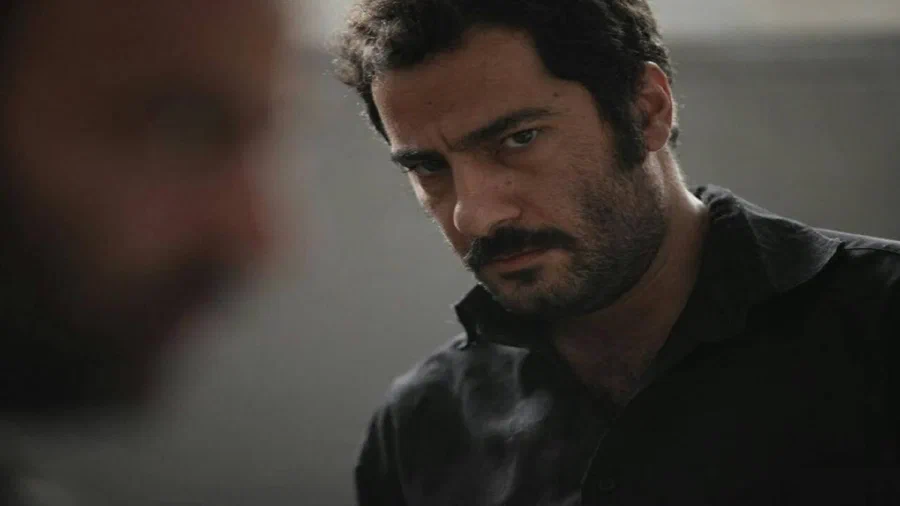
The character of Dr. Kaveh Nariman, around whom the entire story revolves, is crafted with a care that is most evident in the details, in that composure that never seems rigid but rather appears to be the result of years spent choosing his words carefully and living according to a personal code that needs no explanation. When, one evening, he accidentally collides with a motorcycle carrying a family, his behavior suggests that the situation is bound to be resolved without any repercussions, as if a gesture of responsibility were enough to bring the matter to a close. However, the next day, when the child involved in the accident arrives dead at the morgue, that certainty cracks, giving way to a doubt that slowly creeps into his daily life, transforming every gesture into a sort of silent questioning.
In fact, Nariman embodies the figure of a man who, precisely because he is accustomed to bearing the weight of responsibility, finds himself trapped in a spiral of self-control that allows him neither to absolve himself nor to condemn himself. His complexity emerges in the silences and in that tension that builds without ever exploding, as if the film were trying to show that the real conflict is not between him and the outside world, but the one raging within him, in a realm where logic and morality no longer align.
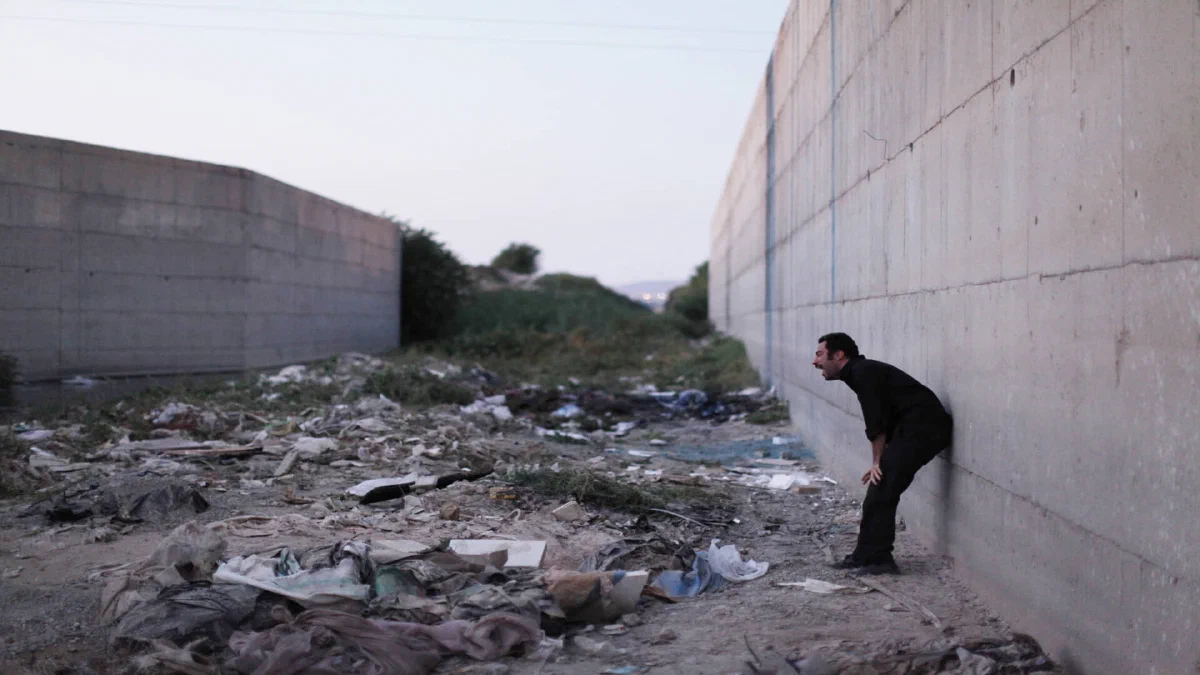
Alongside him, almost as a counterpoint, is Musa, the boy’s father, a man who lives on the margins of society and strives day after day to provide a better life for his family. His anger, which could easily be portrayed as a character trait, is instead shown as the result of a life that has offered him few choices and forced him to react rather than act. When tragedy strikes, he does not seek an enemy to blame, but rather a logic that will allow him to bear what has happened. Unfortunately, this search never finds a definitive answer, making him a deeply human character, capable of evoking empathy even when his actions seem dictated more by desperation than by reason.
The film’s unique quality revolves around Nariman and Musa, who rather than being pitted against one another are allowed to follow parallel paths, as if both were prisoners of their own choices and limitations, unable to truly connect but forced to share the burden of a truth that neither can fully grasp. In this way, the story becomes an exploration of consequences that ambiguous territory where a seemingly minor decision can turn into an irreversible turning point, and where responsibility is never a simple concept, but rather a web of intentions, omissions, and circumstances that elude the control of those experiencing them.
What makes all of this even more powerful is Vahid Jalilvand’s direction, as he chooses never to intervene directly, preferring an approach that we might describe as almost contemplative. For example, the camera observes, accompanies, draws closer when necessary, and steps back when its presence would become intrusive as if the director had decided to respect the fragility of his characters, letting them set the pace of the story. The cinematography, with its lighting that always seems to come from one side, helps create a suspended atmosphere, in which every scene seems to hold something that goes unsaid but remains perceptible nonetheless.
The best part of the film is probably the ending itself, because there’s no definitive answer or moral that tries to tie everything up. Instead, there’s a subtle feeling that lingers, a thought that continues to linger even after the credits roll as if the film had decided not to offer solutions but to share a doubt: the one that accompanies every choice we make and that, at times, comes knocking when we least expect it.