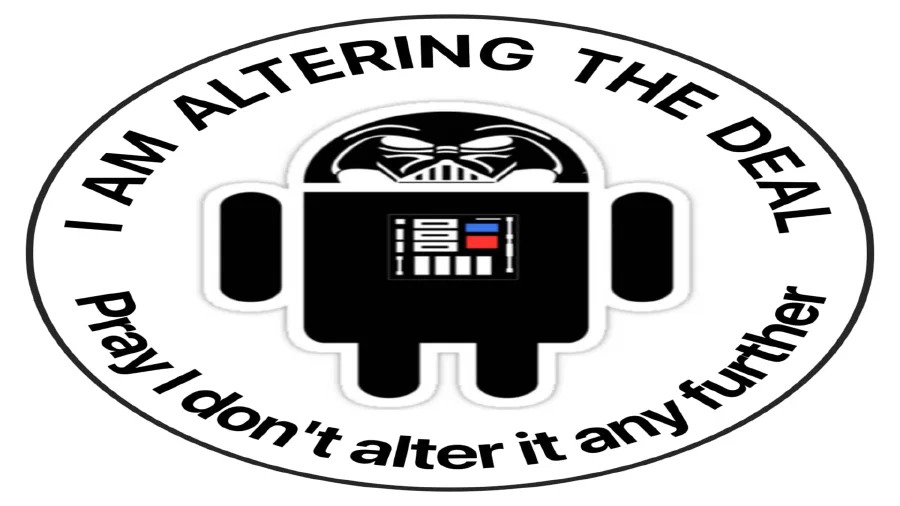
In August 2025, Google announced that, from 2027, every Android developer will have to register with Google in order for their apps to be installed on Android devices. And this does not just apply to apps distributed via the Play Store, as the rule will also apply to those downloaded from F-Droid or created purely for personal use.
To register, you will need to pay a fee, accept Google’s terms and conditions, provide proof of identity, demonstrate that you hold the private key used to sign applications, and provide the identifiers for your current and future apps.
The problem stems from a matter of principle. All tech enthusiasts have always opted for Android, partly because it has always been presented as an open operating system, where users are free to do as they please. Now this model is gradually being undermined, and there is nothing we can do to stop it, even after purchasing a device.
As usual, the justification is security, but the Google Play Protect service is already capable of scanning apps for malware, regardless of the developer’s identity. Making identification compulsory therefore means accepting the creation of a system capable of recording and tracking every developer.
The fact that sideloading is still possible does not make the issue any less serious, given that the deterrent mechanism operates via Play Services and not directly through the operating system…
Finally, simply saying “Apple does it too” certainly doesn’t help. Android was founded on a different philosophy, and the European Union is already seeking to counter precisely this philosophy of control over digital ecosystems by introducing the Digital Markets Act.
The main point isn’t Google in particular, although it doesn’t really seem capable of doing anything that respects people’s rights…
If we let this case slide as well, it will set yet another precedent that could, in future, allow our devices to be turned into control systems that unilaterally decide how they can be used.