Well, here we are… it’s finally happened.
Not because it was inevitable, but because the European Union continues to follow a certain pattern: when the interests of the most powerful come into play, the protection of rights and democracy seems to become a mere detail that can be sacrificed without too many qualms. In short, a script we now know all too well.
On 9 July, the European Parliament approved the exemption to the ePrivacy Regulation, the very same exemption that had been rejected in the spring. In practice, this gives big tech the green light to analyse private messages and emails in search of child sexual abuse material. On paper, it looks like a measure for the common good, but those concerned with digital privacy have been sounding the alarm for some time now. And not out of paranoia… because once a door like this is opened, closing it again becomes almost impossible.
What has sparked the most debate, however, is not just the content of the legislation. It is the way in which it was passed! The majority of MEPs present voted against it. Yes, against it. Yet that was not enough. At second reading, in fact, Parliament can only reject the Council’s position with an absolute majority of all 720 seats. The result? Despite 314 votes against, 46 votes were needed to reach the threshold. And the absences (as many as 113) weighed heavily. It is hard not to wonder how it is possible that, in such a sensitive vote, practically one-sixth of Parliament was absent.
From a technical point of view, the exemption does not oblige platforms to scan messages, but authorises them to do so voluntarily. This subtle difference is at the heart of the matter. Furthermore, the measure applies only to services that do not use end-to-end encryption or that carry out server-side scanning, such as traditional email, Discord and Snapchat. Privacy advocates are clamouring for any service using encryption to be mandatorily excluded, as it is the only tool that truly guarantees users’ security.
The text now returns to the European Council, which has three months to accept or reject it. If it is not approved in its entirety, the matter will be referred to a conciliation committee, with the risk of further delays. If, on the other hand, everything proceeds smoothly, the derogation will remain in force until 3 April 2028 or until definitive legislation is adopted.
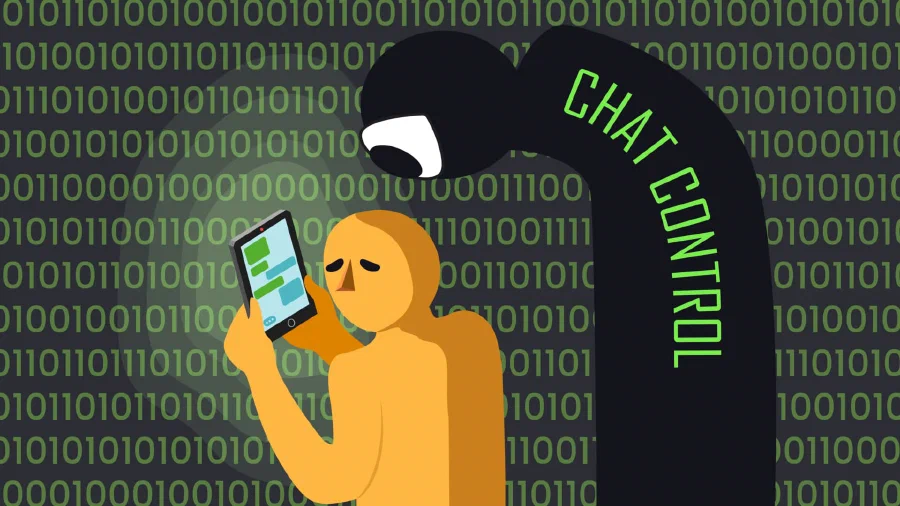
In the short term, little will change for users, but the political signal is strong, as the groundwork is being laid for a possible Chat Control 2.0 – a more intrusive and ambitious version that could compromise the digital privacy of millions of European citizens. This is the classic precedent that seems harmless today, but tomorrow becomes the foundation for something much bigger.
And for those wondering whether all this really helps to stop paedophiles, the answer is no. The scientific literature is full of studies showing that these systems are ineffective at targeting genuine criminals, those who know how to circumvent the checks. Instead, they risk indiscriminately monitoring ordinary users, those who have nothing to hide but who nevertheless find themselves under surveillance.
Ultimately, the feeling is that a much bigger game is being played out than is suggested by the official statements. A game that concerns the future of digital privacy in Europe which, whether we like it or not, affects us all.